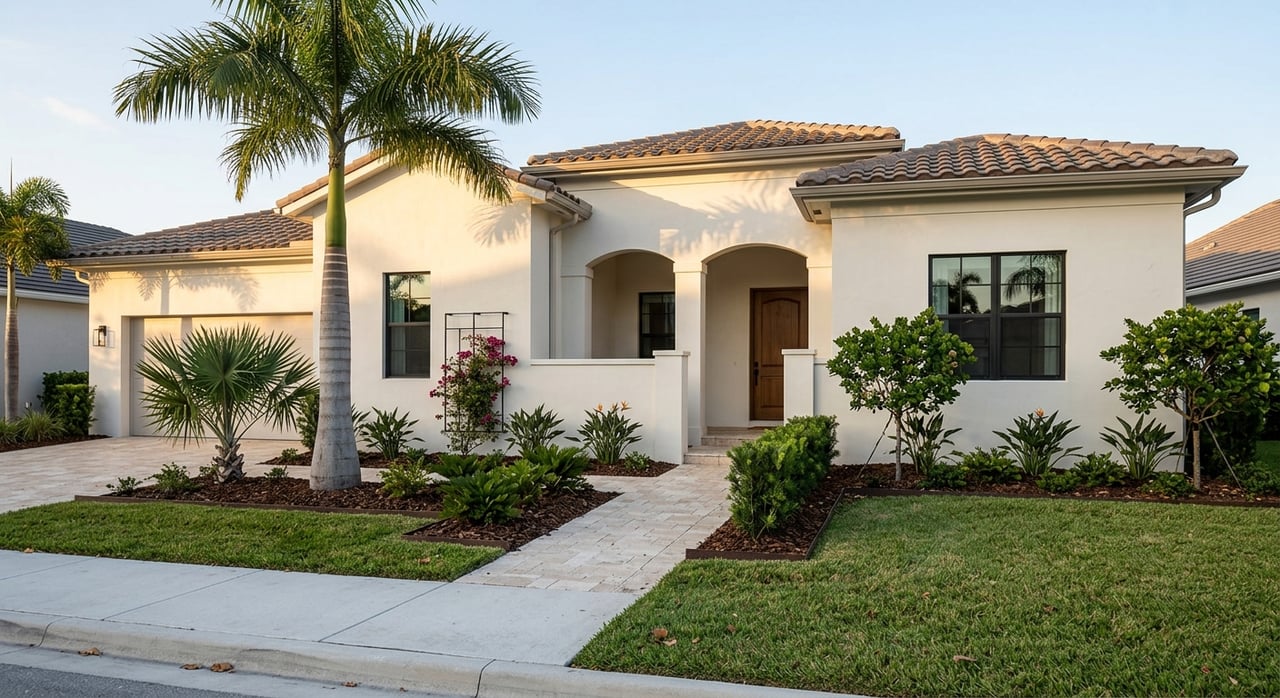
Listing Your Home In Lakewood Ranch's Planned Communities
June 4, 2026
June 4, 2026
Wondering why two similar homes in Lakewood Ranch can attract very different buyers and price points? In a planned community this large, your home is never competing on square footage alone. If you are getting ready to sell, understanding how your village, fees, amenities, and property records shape buyer perception can help you launch with more confidence and fewer surprises. Let’s dive in.
Lakewood Ranch is a master-planned community that spans Manatee and Sarasota counties and includes 36 villages, more than 150 miles of trails, three major town centers, 12 neighborhood plazas, healthcare, an on-site hospital, and more than 300 shops and restaurants. That scale matters because buyers are shopping for both a home and a lifestyle.
For sellers, that means your listing should present more than finishes and floor plan. Buyers will also compare village location, amenity access, HOA structure, and the overall day-to-day experience your property offers.
In Lakewood Ranch, two homes with similar size and layout may not land in the same value range. The reason is simple: total ownership costs and amenity access can vary a lot from one village to another.
Every village has HOA fees, but what those fees cover is not the same everywhere. According to Lakewood Ranch, fees generally cover village amenities, common area maintenance, and some lawn care and irrigation, with fees ranging from $100 to $800 per month, and most falling between $200 and $300.
On top of that, homes may also have a Stewardship District assessment collected on property tax bills in Manatee or Sarasota County. These assessments vary by neighborhood and help fund community infrastructure and natural features such as parks, trails and bike lanes, lakes and stormwater ponds, arterial road enhancements, and conservation areas.
When buyers ask what it really costs to live in your home each month, they are not just asking about mortgage and taxes. They are usually trying to understand the full picture, including HOA dues, district assessments, maintenance obligations, and what amenities are actually included.
Lakewood Ranch gives sellers a strong lifestyle story to work with, but accuracy matters. Village amenities are usually exclusive to that village, while public parks and trails are open to everyone, and some facilities may require separate memberships.
That means your marketing should focus on confirmed, parcel-specific benefits. If your property includes access to a clubhouse, pool, fitness center, pickleball, tennis, or other amenities, that should be stated clearly. If it does not, your listing should not imply universal access just because those features exist somewhere in the broader community.
This is especially important in a community where amenity packages can vary widely. Lakewood Ranch’s village comparison materials show differences that may include:
A strong listing tells the truth well. It highlights the amenities your home actually benefits from, along with nearby public features like trails, parks, town centers, healthcare, and convenient access points.
Some village characteristics deserve extra attention because they can strongly affect buyer interest. If your home is in a maintenance-included village, that should be easy to spot in the listing.
The same goes for age-restricted villages. Lakewood Ranch treats age restriction and maintenance inclusion as distinct village categories, so these details should be stated accurately and early in the marketing.
Home type also matters. The village matrix groups neighborhoods by condos, townhomes, paired or attached villas, and single-family homes. That is another reason generic community copy falls flat. Buyers want to know how your exact property fits into the village and what that means for daily living.
One of the best ways to reduce stress during a sale is to prepare your paperwork before your home goes live. In Lakewood Ranch, buyers often ask detailed questions early, so having records ready can make your listing feel more credible and organized.
Start with the association side. In Florida, the estoppel certificate is one of the most important documents in the transaction because it identifies assessments due, capital contribution or transfer fees, open violations, transfer approval requirements, right of first refusal, and association insurance contact information.
Florida law requires the association to issue the estoppel certificate within 10 business days after a written or electronic request. In most non-delinquent situations, the fee is capped at $250, with an additional $100 allowed for expedited delivery and an additional $150 if delinquent amounts are owed.
You should also review your county property records. For homes in Manatee County, the Property Appraiser’s records can help verify parcel data, assessed value, TRIM notices, homestead exemption status, Save Our Homes benefits, mailing address updates, and public parcel information.
Permit history is another smart item to check before launch. If you completed improvements, renovations, or replacements, confirming the permit record can help you answer buyer questions with less scrambling later.
If your property has flood history, Florida law also requires a flood disclosure to be given to the buyer at or before contract execution. The required disclosure asks whether you have filed a flood-related claim or received federal flood assistance, and it reminds buyers that standard homeowners insurance does not cover flood damage.
Many Lakewood Ranch buyers, especially those relocating from out of area, want clear answers before they take the next step. They are often comparing villages, ownership costs, and maintenance responsibilities just as much as they are comparing kitchen finishes.
Common questions include:
When your listing package answers these questions up front, buyers can evaluate the home faster and with more confidence. That often leads to better-quality interest and fewer misunderstandings during the transaction.
Selling in Lakewood Ranch is not just about putting a home on the market. It is about presenting the home, the village, and the full ownership picture together.
That takes careful pricing, accurate amenity language, and strong preparation. It also helps to have marketing that feels polished while staying grounded in the details buyers actually care about.
Chris Carpenter brings a calm, strategic approach to seller representation, backed by deep Gulf Coast market knowledge, polished marketing, and strong process support. For a Lakewood Ranch seller, that means your home can be positioned with the right village context, clear buyer-facing information, and a presentation that supports both value and credibility.
If you are thinking about listing your home in Lakewood Ranch, working with a local advisor can help you sort out the details before they become delays. To start planning your next move, connect with Chris Carpenter.


Where in Sarasota to Find Gourmet Restaurants.

A Golden-Hour Sarasota Sunset Experience on the Bay, From Dinner Boats to Quiet Sails.


Four Ways to Spend an Evening Well in This City.
How a Coastal Color Palette Brings Gulf-Inspired Calm to Sarasota Homes.
Whether you're looking to purchase your first home, a forever home, or that investment or commercial property, Chris would be honored to have the opportunity and partner with you on the journey.