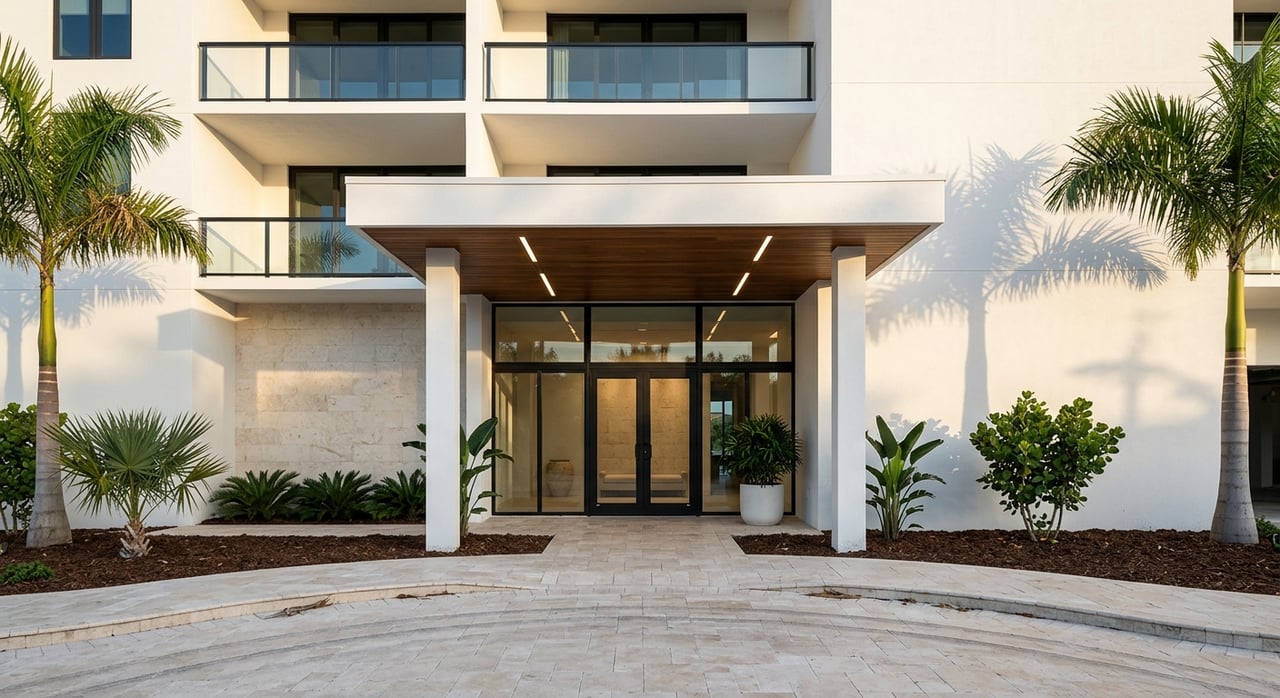
Buying A Siesta Key Condo As A Second Home
June 25, 2026
June 25, 2026
Dreaming about a place where your weekends start with white quartz sand and end with sunset views? Buying a Siesta Key condo as a second home can absolutely deliver that lifestyle, but it also comes with decisions that matter long after closing day. If you are weighing convenience, rental flexibility, monthly costs, and building condition, this guide will help you focus on what really counts before you buy. Let’s dive in.
Siesta Key stands out as a lifestyle-driven coastal market. Florida DEP describes the area as renowned for its white quartz beaches and beachfront facilities, which helps explain why so many buyers look here for a seasonal retreat.
The condo inventory also gives you a wide range of choices. In spring 2026, Redfin showed 171 condos for sale at a median listing price of about $749,000, Zillow estimated the average Siesta Key home value at $820,289 as of April 30, 2026, and Realtor.com described the market as balanced in March 2026.
That balance can be helpful if you are buying a second home and want time to compare options carefully. Instead of rushing toward the first unit with a water view, you can look at how each building fits your budget, your travel habits, and your long-term plans.
Siesta Key condo inventory often includes older 1960s- and 1970s-era buildings, along with high-rise towers, six-story mid-rises, boutique communities, and gulf-to-bay complexes. That variety gives you choices, but it also means no two buildings operate the same way.
Amenities can vary widely from one community to the next. Current listings commonly advertise features such as deeded beach access, pools, clubhouses, fitness centers, tennis or pickleball, elevators, security, storage, docks or boat slips, and on-site management.
Some communities are set up for lock-and-leave seasonal use, while others may include age-restricted ownership or occupancy rules. If you are shopping from out of state, it helps to think beyond the unit itself and look closely at how the community functions year-round.
When you buy a Siesta Key condo as a second home, you are not just choosing a floor plan or a view. You are choosing an association, a fee structure, a maintenance philosophy, and a set of rules that can shape your ownership experience.
This is especially important in a coastal market with many older buildings. The right fit often comes down to how you plan to use the property, whether you want rental income, what the dues include, how reserves are funded, and how the association manages repairs and major projects.
In other words, buying here is often a building-selection exercise as much as a home search. Two condos with similar prices can have very different true ownership costs over time.
Monthly or quarterly dues can be a major part of your carrying costs. Current examples in Siesta Key show association fees around $915 per month, $1,238 per month, $1,261 per month, and $1,905 per quarter.
The number alone does not tell the whole story. In some buildings, dues may cover the exterior, cable, internet, insurance, flood insurance, management, grounds maintenance, security, recreational facilities, trash, and water or sewer.
That is why one of the smartest questions you can ask is simple: What exactly is included, and what is not? A higher fee may still make sense if it covers major expenses that would otherwise come out of your pocket.
For older coastal buildings, reserve planning matters. Florida law requires residential condominium associations for buildings three habitable stories or higher to complete structural integrity reserve studies at least every 10 years, and buildings three stories or higher must have milestone inspections at 30 years of age and every 10 years after that.
Those studies cover major components such as the roof, structure, fire protection, plumbing, electrical systems, waterproofing and exterior painting, windows and doors, and certain deferred-maintenance items above the statutory threshold. That means you have a clearer framework for evaluating future repair exposure.
Associations may fund repairs through reserves, special assessments, loans, or lines of credit. For you as a buyer, that makes reserve health and pending projects just as important as list price.
Insurance is another area where assumptions can get expensive. Under Florida law, property insurance deductibles and damages above the association policy are generally a common expense of the condominium.
That makes it important to review the master policy, deductible amounts, and any storm or flood coverage gaps. In some declarations, insurance responsibility for certain freestanding buildings can shift more toward the unit owner, so it is wise not to assume every condo community handles coverage the same way.
If you are comparing two buildings, insurance structure can be a real differentiator. A similar-looking unit in a different association may come with a very different risk profile.
Many second-home buyers like the idea of offsetting costs with rentals, but rental rules vary sharply by building. One current Siesta Key listing shows a one-month minimum lease term, while another community advertises weekly rental flexibility.
That difference can completely change your ownership strategy. Before you depend on projected rental income, ask about minimum lease terms, approval requirements, rental caps, guest restrictions, whether the association acts as rental agent, and whether there is an on-site or preferred management program.
Some communities also require buyer approval. That can affect both your ability to purchase and your future leasing options, so it is worth clarifying early.
If you plan to rent the condo for six months or less, Florida transient-rental taxes apply. The Florida Department of Revenue says these rentals are subject to the 6% state sales tax plus any applicable discretionary county surtax, and Sarasota County’s local option transient rental tax is 6%.
Sarasota County’s discretionary sales surtax is 1%. For you, the practical takeaway is that short-term rental income can trigger multiple layers of tax.
Before building rental income into your budget, confirm how the building handles registration, reporting, and any rental-management requirements. That step can help you avoid unrealistic income assumptions.
Because this is a second home, Florida homestead exemption is usually not available unless the condo becomes your permanent residence or the permanent residence of a dependent. For many seasonal or out-of-state buyers, that means the property should generally be modeled as non-homesteaded.
This is an easy detail to miss when comparing carrying costs. If you are deciding between using the condo occasionally, staying for several months, or eventually making a full-time move, tax treatment can become part of the bigger picture.
Florida gives condo buyers a meaningful set of documents to review before closing. For a resale condo, the seller must provide the declaration, articles, bylaws and rules, required financial information, the milestone summary if applicable, the most recent structural integrity reserve study or a statement that none has been completed, the turnover inspection report if applicable, and the condo FAQ document.
The resale contract also includes a three-day voidability framework after receipt of the required documents. That is one reason it makes sense to review condo documents early, before you get too emotionally attached to a unit.
A practical due diligence checklist includes:
You should also ask building-specific questions about:
When you narrow your options, compare each condo through the lens of daily use, not just curb appeal. Think about how often you will visit, whether you want true lock-and-leave convenience, and how much maintenance complexity you are comfortable with.
A beautiful unit in a building with unclear reserves or restrictive rental rules may be less attractive than a slightly less flashy property with stronger management and more predictable costs. In second-home ownership, smooth operation often matters just as much as the view.
This is where local guidance can make a real difference. Having someone help you compare buildings side by side can bring clarity to the parts of condo ownership that are easy to overlook online.
If you are considering a Siesta Key condo as a second home, the goal is not just to find a property you love today. It is to choose a building and ownership structure that support the way you want to live, travel, and budget over time. If you want clear, local guidance as you compare communities, amenities, fees, and condo documents, Chris Carpenter can help you navigate the process with confidence.

Where in Sarasota to Find Gourmet Restaurants.

A Golden-Hour Sarasota Sunset Experience on the Bay, From Dinner Boats to Quiet Sails.

Four Ways to Spend an Evening Well in This City.
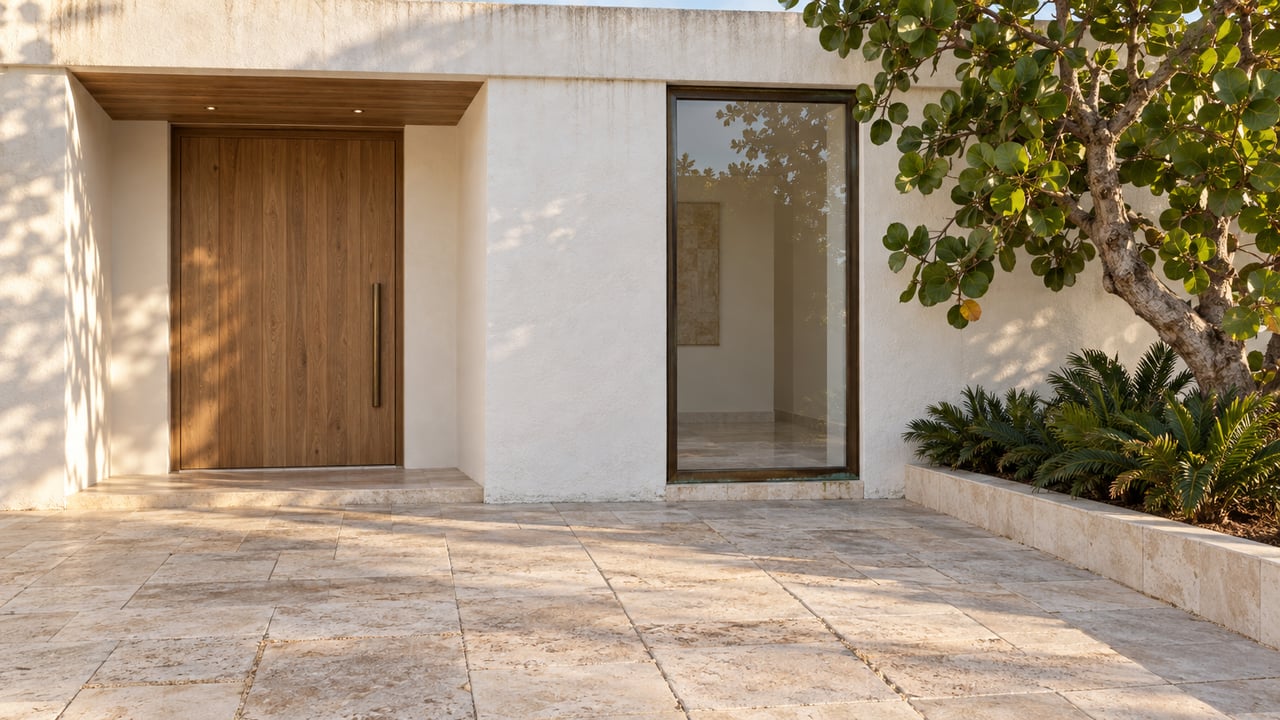
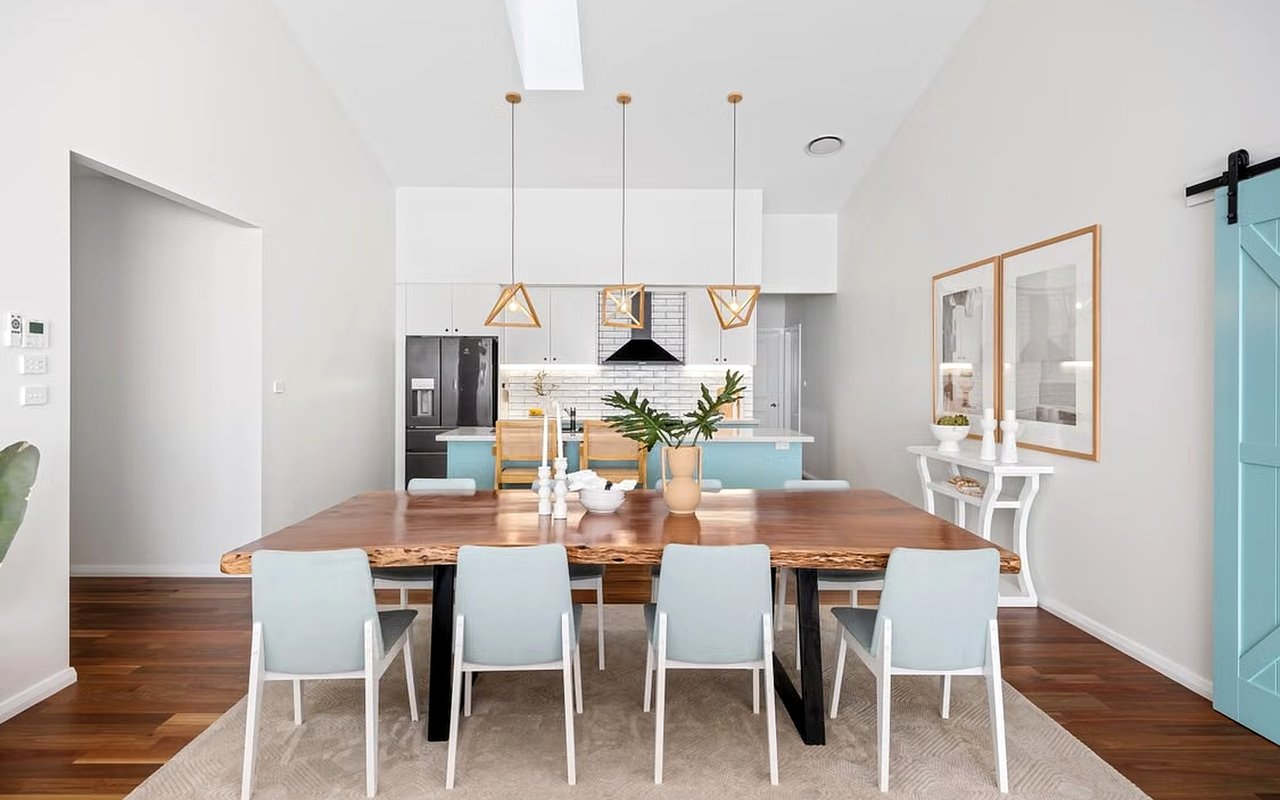
How a Coastal Color Palette Brings Gulf-Inspired Calm to Sarasota Homes.
Whether you're looking to purchase your first home, a forever home, or that investment or commercial property, Chris would be honored to have the opportunity and partner with you on the journey.