How To Sell A Sarasota Home From Afar
May 21, 2026
May 21, 2026
Selling a home when you are not in Sarasota can feel like trying to manage a moving target from hundreds of miles away. You want the home ready, the pricing strategy clear, and every signature handled correctly without flying back for every detail. The good news is that Sarasota and Florida both offer tools that make remote selling much more workable when you have the right plan. Let’s dive in.
Before you think about photos, showings, or pricing, it helps to confirm a few local details that can affect how your property is marketed and discussed with buyers. In Sarasota, flood and storm context should be one of the first items on your checklist.
Sarasota County’s current flood maps became effective on March 27, 2024. The county also notes that flood map changes do not affect hurricane evacuation levels, so these are two separate things to review. If you are selling from afar, you can use the county’s flood-map resource and evacuation-zone tool by searching the property address or parcel ID.
This step matters because buyers often ask early questions about flood zones, insurance, and storm planning. Sarasota County also points out that all properties have some flood risk, even where flood insurance is not required. Getting clear on that context up front can help you avoid confusion later.
One advantage of selling remotely in Sarasota is that many property details can be checked online. The Sarasota County Property Appraiser allows you to search by owner name, address, or account number, and its web map can show parcel lines, building outlines, zoning, and other property layers.
You can also review Sarasota County Official Records online through the Clerk. Those records include deeds, mortgages, liens, and judgments from 1990 to the present. For a remote seller, this makes it easier to confirm ownership details and keep an eye on the public record without needing to be local.
When you are not nearby, the listing process works best with a clear workflow instead of a loose to-do list. That usually means starting with a video walk-through, then creating a prioritized punch list, then scheduling vendors in a logical order.
A strong plan should also include clear approval points. You should know when you are expected to approve repairs, cleaning, staging decisions, and photography so the listing does not stall. This kind of structure helps reduce delays and gives you a better sense of control from a distance.
If buyers are likely to discover your home online first, your marketing package needs to do a lot of heavy lifting. According to the National Association of Realtors’ 2025 Home Buyers and Sellers Generational Trends report, buyers who used the internet rated photos as very useful at 83%, detailed property information at 79%, floor plans at 57%, virtual tours at 41%, videos at 29%, and virtual listing appointments at 10%.
For you, that means strong visuals are not optional. High-quality photography, a detailed property description, a floor plan, and a video walkthrough can help buyers understand the home before they ever book a showing. That is especially important when you are not in Sarasota to monitor every in-person visit.
Virtual staging can help a vacant property feel more inviting online, but it needs to be handled honestly. NAR notes that virtual staging can attract interest and help buyers schedule a showing, but it can also create disappointment if the images suggest furniture or condition details that are not actually there.
If virtual staging is part of your marketing, the presentation should be easy to understand and clearly represented. The goal is to help buyers imagine the space, not to surprise them once they arrive.
A remote sale works better when communication is simple and documented. You should expect written updates, photo or video confirmation of vendor visits, and a clear timeline for who is doing what next.
That matters because you may need to coordinate cleaners, repair professionals, photographers, inspectors, and showing access without ever being onsite. When those steps are organized well, your sale can feel smooth and local even if you are managing it from another city or state.
Florida law supports remote transaction management in a practical way. Under state law, an electronic signature can be used to sign a writing and has the same force and effect as a written signature. Florida law also allows documents that require notarization to be notarized electronically.
That can make a major difference when you need to sign disclosures, approve repair terms, or complete closing documents while out of state. Florida’s remote online notarization program is in effect, and the state explains that the notary must be active and use approved technology for identity proofing, electronic sealing, and audio and video recording.
If your Sarasota home is in a flood-sensitive or coastal area, inspection conversations may include questions about flood zones and insurance. Sarasota County explains that development in a Special Flood Hazard Area must comply with county floodplain rules, and flood insurance is required for residential and commercial buildings in the SFHA when there is a federally backed mortgage.
This is one reason it helps to discuss flood-zone context early rather than waiting for a buyer to raise it during due diligence. If questions come up, having the property’s flood-map information ready can make your responses faster and more consistent.
If the home suffers storm damage before closing, Sarasota County’s Property Appraiser asks owners to report damage so the parcel can be valued accurately. That can be especially relevant for vacant or seasonal homes that are harder to monitor during hurricane season.
Remote closings in Sarasota are usually less about geography and more about process. Your title or closing team should coordinate how documents are signed, how they are returned, and how the final recording is confirmed.
Sarasota County accepts recording by e-recording through a registered provider, by mail, or in person, but not by email. The Clerk also states that e-recording is the fastest option and supports documents executed traditionally or electronically, including those signed through remote online notarization.
Another practical benefit is speed of confirmation. The Sarasota County Clerk says recorded instruments are generally viewable the following business day. If you are selling from afar, that helps you verify that the deed and related documents were recorded as expected.
Even after the sale is complete, it is smart to verify the public record. Sarasota County’s online Official Records system gives you a way to confirm recorded land records from 1990 to the present.
You can also sign up for Sarasota County’s free Property Fraud Alert Service. The service sends an email within 24 hours when a document is recorded in Sarasota County under a monitored name. For former owners who want peace of mind after closing or after any major title event, that is a simple extra layer of monitoring.
When you are selling a Sarasota home from afar, communication matters almost as much as pricing and marketing. You want an agent who can explain local flood and evacuation context in plain language, document property updates with photos or video, and coordinate smoothly with title and recording partners.
You also want a marketing plan that is specific to how buyers actually shop. Since buyers rate photos, detailed property information, floor plans, virtual tours, and videos as highly useful, those assets should be prepared before launch and updated if the home changes.
For remote sellers, this is where local knowledge really shows. An agent should know how to verify parcel details, review flood-hazard information, monitor recorded documents, and help guide electronic signing and remote notarization so the process stays organized from list date to closing.
Selling from another location does not have to mean feeling disconnected from your sale. With a strong prep plan, accurate local information, and steady communication, you can make smart decisions without being there in person every step of the way.
If you are preparing to sell a Sarasota home from out of town, Chris Carpenter can help you create a polished, well-managed plan from preparation through closing.

Where in Sarasota to Find Gourmet Restaurants.

A Golden-Hour Sarasota Sunset Experience on the Bay, From Dinner Boats to Quiet Sails.


Four Ways to Spend an Evening Well in This City.
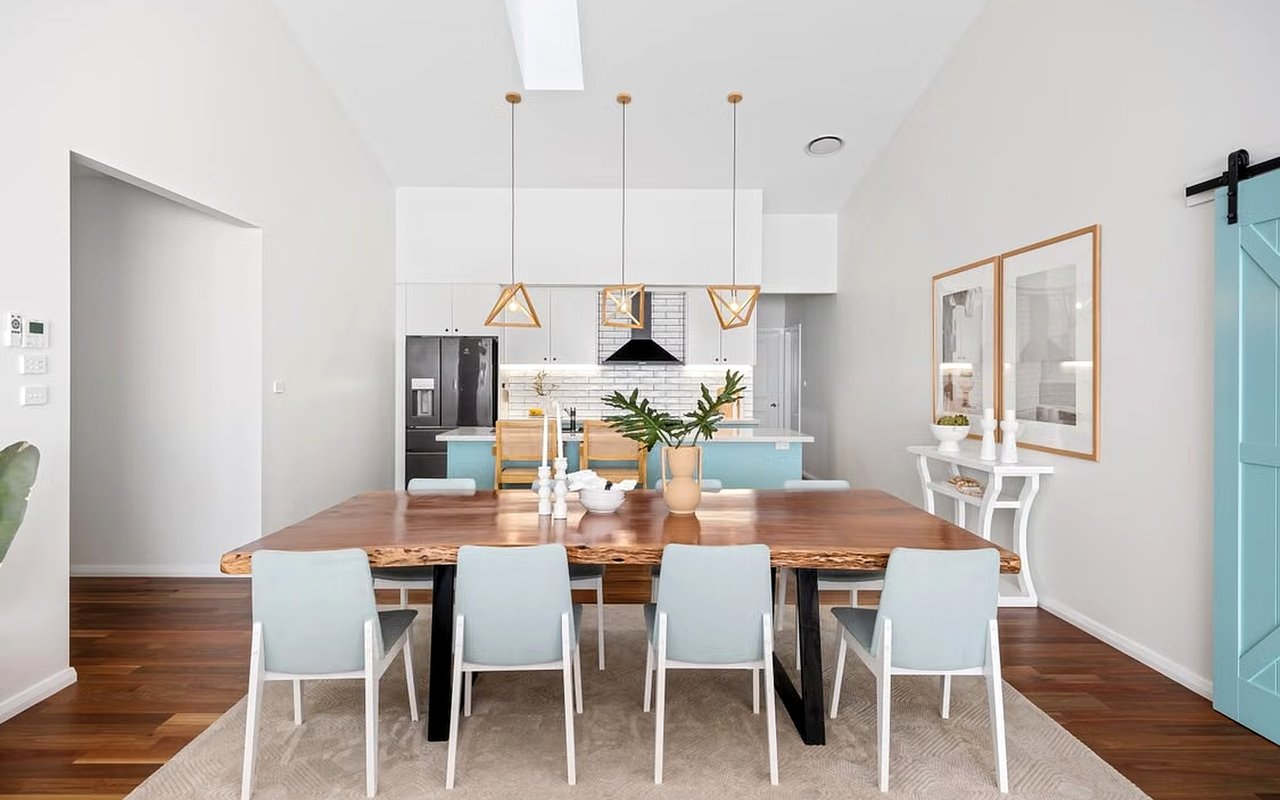
How a Coastal Color Palette Brings Gulf-Inspired Calm to Sarasota Homes.
Whether you're looking to purchase your first home, a forever home, or that investment or commercial property, Chris would be honored to have the opportunity and partner with you on the journey.