By Chris Carpenter
Sarasota has long attracted homeowners who want more than a place to sleep at night. They want a home that participates in the wondrous landscape around it — where the kitchen flows naturally toward a sun-drenched terrace, where mornings start on a screened lanai with a cup of coffee and a view of swaying palms, and where evenings wind down poolside under a sky that seems to hold color longer here than anywhere else on the Gulf Coast. That relationship between interior living and the great outdoors is not a luxury add-on in Sarasota; it is central to how people actually use their homes.
Designing for indoor–outdoor living is both a lifestyle choice and an architectural discipline. It requires thinking carefully about how spaces connect, how materials hold up in Florida's climate, how light moves through a home across different times of day, and what specific features make outdoor areas feel like extensions of interior rooms rather than afterthoughts. Whether you are building from the ground up, renovating an existing home, or simply trying to get more out of what you already have, understanding the principles behind this design philosophy will transform how you experience your property.
Sarasota's year-round warmth, reliable sunshine, and proximity to the water make it one of the best places in the country to invest in this kind of living. The homes that do it well feel effortless to live in every single day.
Key Takeaways
-
Thoughtful transitions between interior and exterior spaces are the foundation of indoor–outdoor design in Sarasota real estate.
-
Material selection is critical; durability and aesthetics must work together in Florida's heat and humidity.
-
Covered outdoor rooms extend usable living space and make outdoor areas comfortable, even during warm afternoons or sudden rain.
-
Landscape design is just as important as architecture when creating a cohesive indoor–outdoor flow.
-
Lighting, ceiling fans, and shade structures are practical investments that dramatically improve how outdoor spaces function day to day.
The Architecture of Connection
The most important element of any indoor–outdoor living design is how the interior and exterior come together. A sliding glass door that opens to a concrete slab does not create a feeling of connection; it creates a feeling of stepping out of a home and into a yard. True indoor–outdoor design makes that transition nearly invisible so that moving from one space to another feels continuous and intentional.
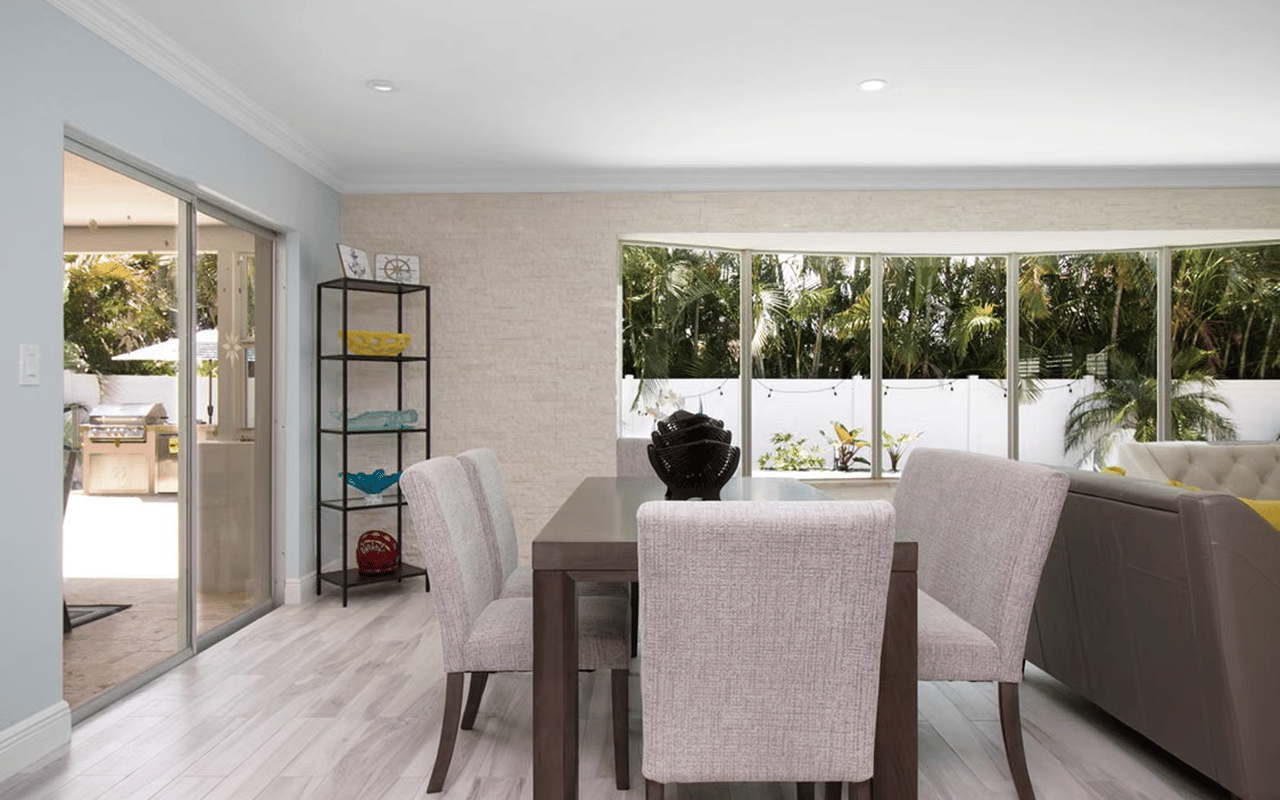
In Sarasota homes, this typically means prioritizing large-format openings. Pocket sliding doors that disappear entirely into the wall, multi-panel folding glass systems, and floor-to-ceiling windows all achieve the effect of dissolving the boundary between inside and outside. When these openings align with a well-designed outdoor room or pool deck, the living area visually doubles, and the home reads as significantly larger than its square footage suggests.
The transition should also work at the floor level. Matching interior and exterior flooring, whether through large-format porcelain tile that flows from the living room out to the lanai or flush thresholds that eliminate any step or bump, creates a seamless visual line that reinforces the connection. Even small details like consistent ceiling heights or matching paint tones on adjacent interior and exterior walls contribute to the feeling of one continuous space.
Design Elements That Strengthen the Connection
-
Pocket or folding glass door systems that open wide to create a true pass-through feeling.
-
Flush thresholds between interior floors and outdoor decking to eliminate visual and physical interruptions.
-
Consistent flooring materials or complementary tones between indoor and outdoor surfaces.
-
Sightlines designed from the front entry straight through to the outdoor living area, drawing the eye outward from the moment you walk in.
-
Covered transition zones, such as a shallow overhang or loggia, that ease the shift between climate-controlled interior and open air.
Choosing Materials That Can Handle the Gulf Coast Climate
The combination of intense sun, high humidity, salt air, and seasonal heavy rain means that materials chosen for outdoor living areas must be selected with durability as the primary criterion, not just appearance.
For flooring, large-format porcelain tile remains one of the most reliable choices for Sarasota’s outdoor spaces. It resists moisture absorption, does not fade under UV exposure the way some natural stones can, and cleans up easily after summer storms. Travertine is another popular option, valued for its natural look and relatively cool surface temperature underfoot, though it requires sealing and more attentive maintenance in high-moisture environments. Composite decking has improved dramatically in recent years and offers a wood-like aesthetic without the warping, splintering, or maintenance demands of natural wood in Florida's humidity.
For outdoor furniture and structures, teak remains the gold standard for wood because of its natural oil content, which resists moisture and insects without requiring treatment. Powder-coated aluminum is lightweight, rust-resistant, and holds up well to the salt air. Wicker and rattan work beautifully in screened or covered environments but should not be left exposed to direct rain over time. Whatever materials you choose, the investment in quality pays off.
Materials Worth Prioritizing for Sarasota Outdoor Living
-
Large-format porcelain tile for covered and uncovered deck areas due to its UV and moisture resistance.
-
Powder-coated aluminum for furniture frames and structural elements in coastal or high-humidity zones.
-
Teak or sustainably sourced hardwood for tables and seating in covered outdoor rooms.
-
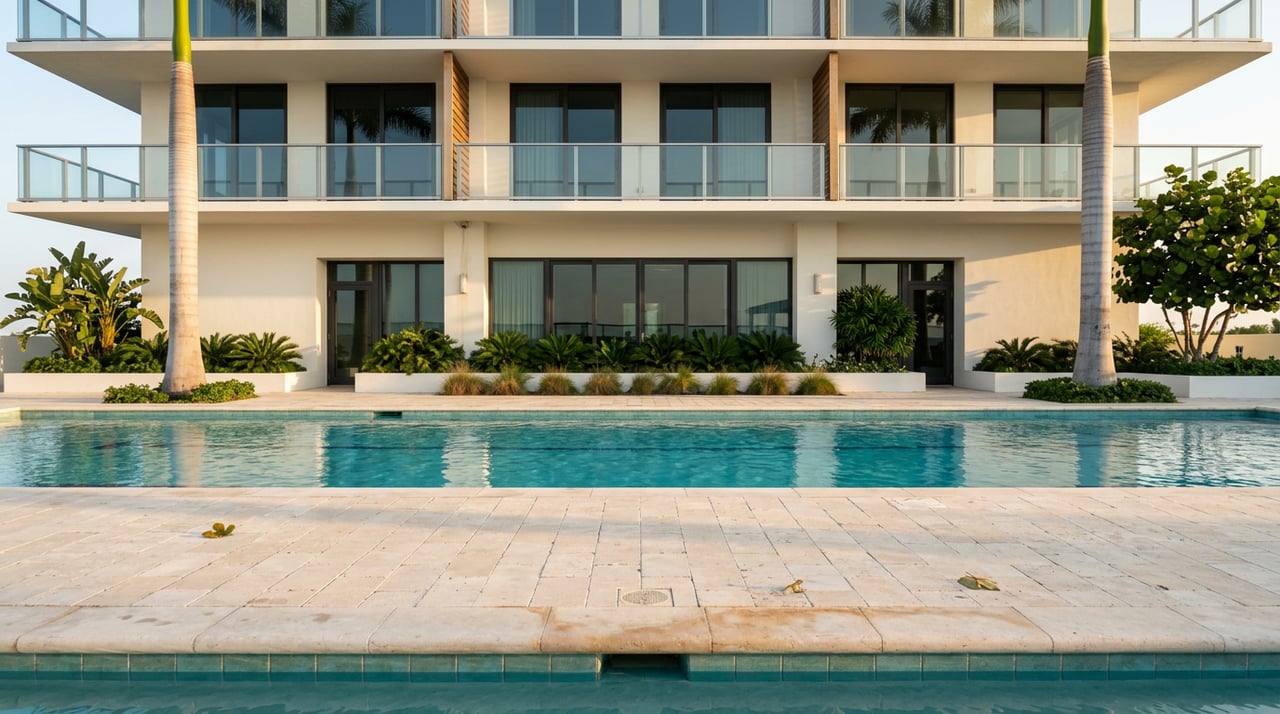
Concrete pavers with a brushed or textured finish for pool surrounds, offering slip resistance alongside durability.
-
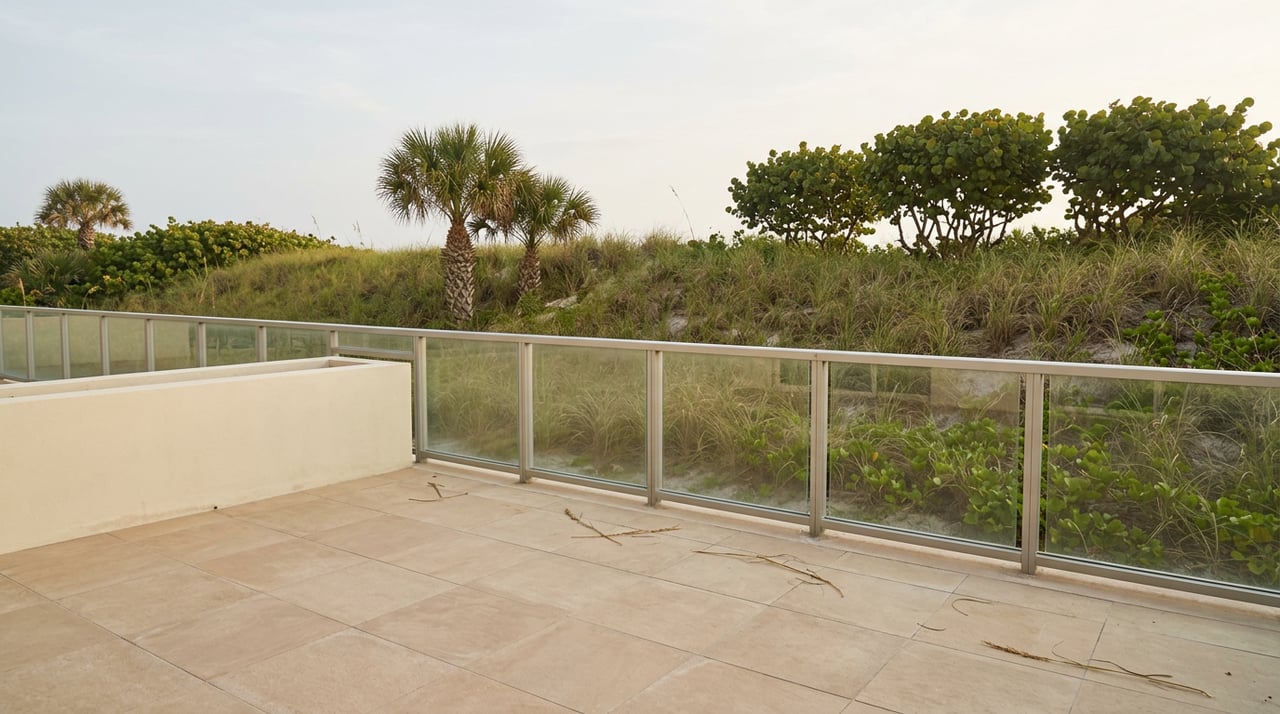
Marine-grade stainless steel hardware for any fixtures, railings, or built-in features near the water.
Designing the Outdoor Room
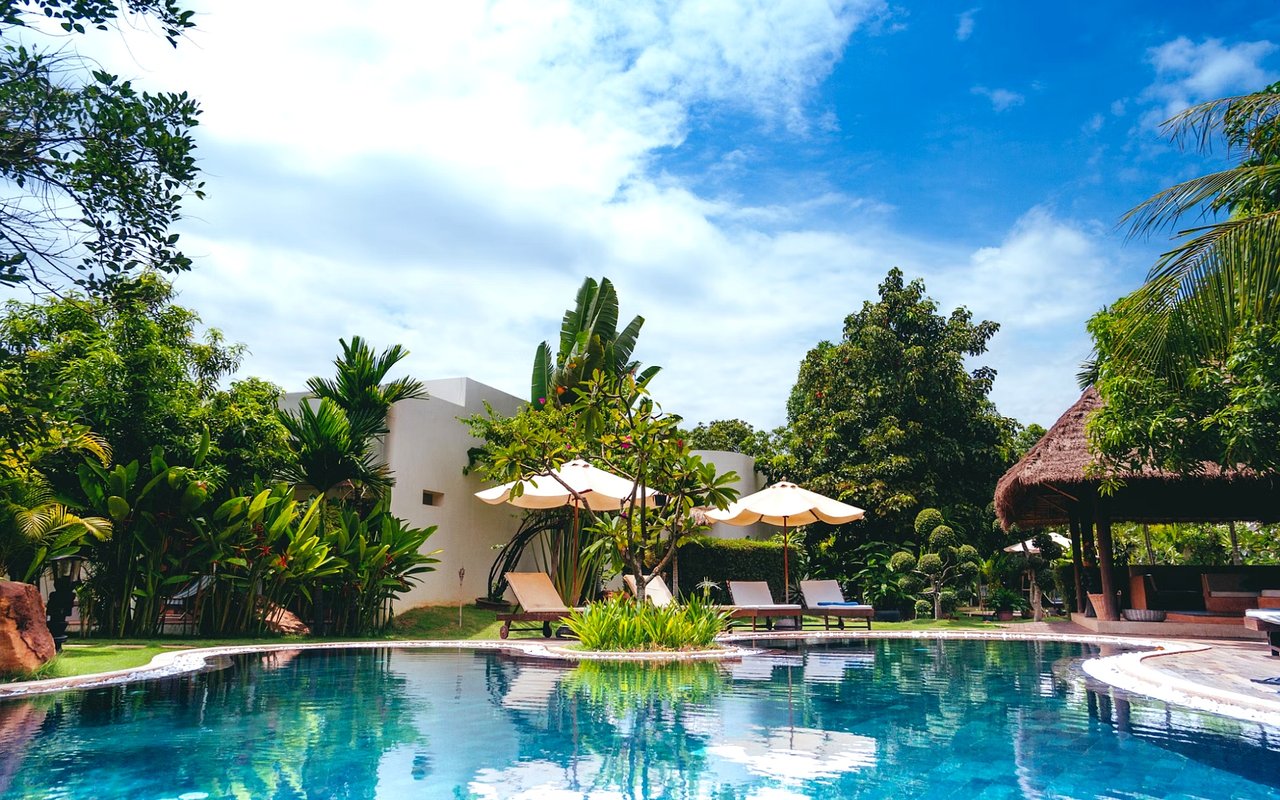
The outdoor room is the heart of indoor–outdoor living in Sarasota. Rather than thinking of the area outside your home as a yard or a deck, think of it as a room that happens to be open to the sky, with the same attention to function, comfort, and detail that you would give any interior space.
A well-designed outdoor room typically anchors around one or two primary uses. An outdoor kitchen with a built-in grill, refrigerator, and prep space creates a functional cooking environment that keeps gatherings outside rather than pulling people back indoors. A seating area with weather-resistant upholstery, a ceiling fan overhead, and a fire feature for cooler evenings becomes an evening destination in its own right. When these elements are combined and oriented toward a pool or a water view, the outdoor room becomes the most-used space in the house.
Shade is not optional in Sarasota homes; it is structural. Pergolas, shade sails, retractable awnings, and extended roof overhangs all create the protected zones that make outdoor living comfortable through the hottest parts of the afternoon. Screens add another layer of functionality, keeping insects out and allowing windows or panels to be opened for airflow without compromise. Many Sarasota homes incorporate a fully screened lanai as the primary outdoor living space, with a separate open pool deck beyond it for sunbathing and swimming.
Elements of a High-Function Outdoor Room
-
A ceiling fan rated for damp or wet locations to manage heat and air circulation throughout the day.
-
Built-in outdoor kitchen components, including a grill, side burner, refrigerator, and countertop prep surface.
-
Weather-resistant upholstered seating with cushion storage nearby to manage quick summer showers.
-
A shade structure, whether a pergola, extended roof, or motorized awning, covering at least the primary seating area.
-
Ambient, task, and accent lighting, layered to make the space functional and inviting after dark.
Landscape Design as Part of the Living Space
The landscaping around your Sarasota home is not a backdrop to the outdoor living area; it is part of it. Native and tropical plantings, when thoughtfully placed, create tranquility, provide shade, soften the edges of hardscape, and reinforce the sensory experience of being in a place that is distinctly Sarasota rather than anywhere else.
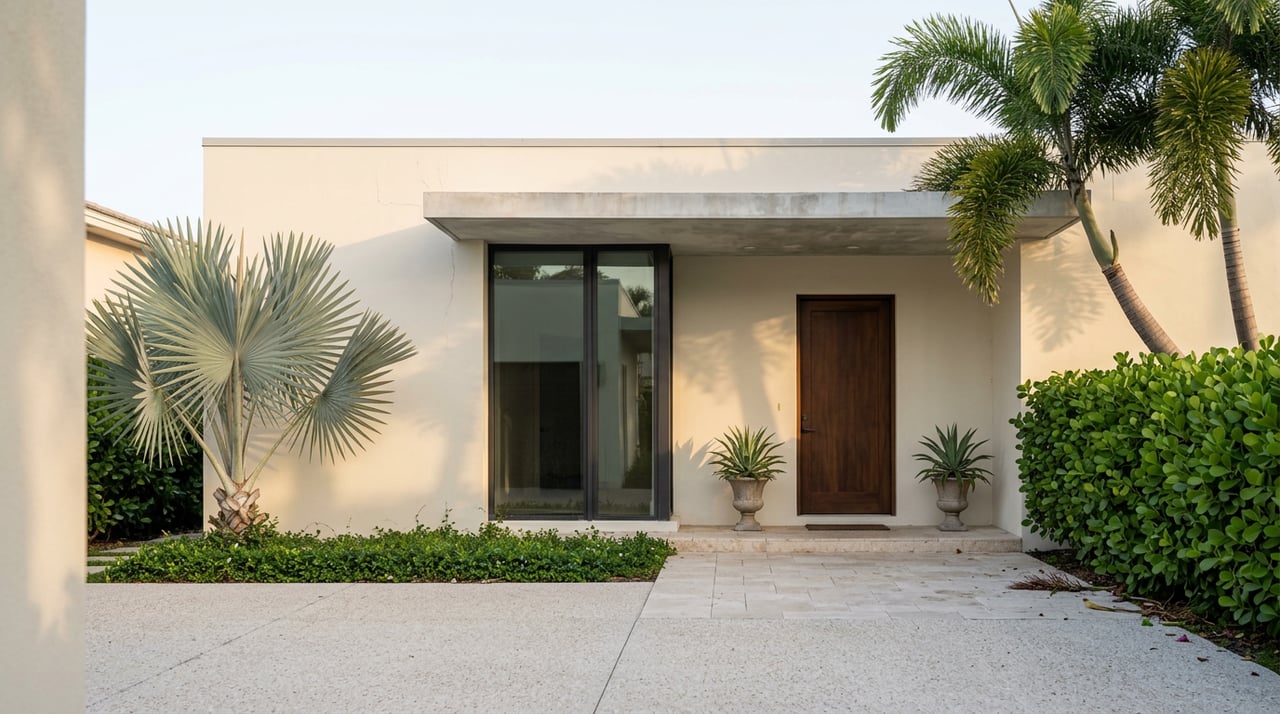
Florida-friendly landscaping also reduces maintenance demands considerably. Plants like muhly grass, coontie, firebush, and Simpson's stopper are native to the region, require minimal irrigation once established, and thrive in the local soil and climate conditions. Palms are a natural fit for Sarasota properties; sabal palms are the most resilient and require virtually no care, while royal palms and medjool date palms provide a more architectural, formal presence along driveways or pool edges.
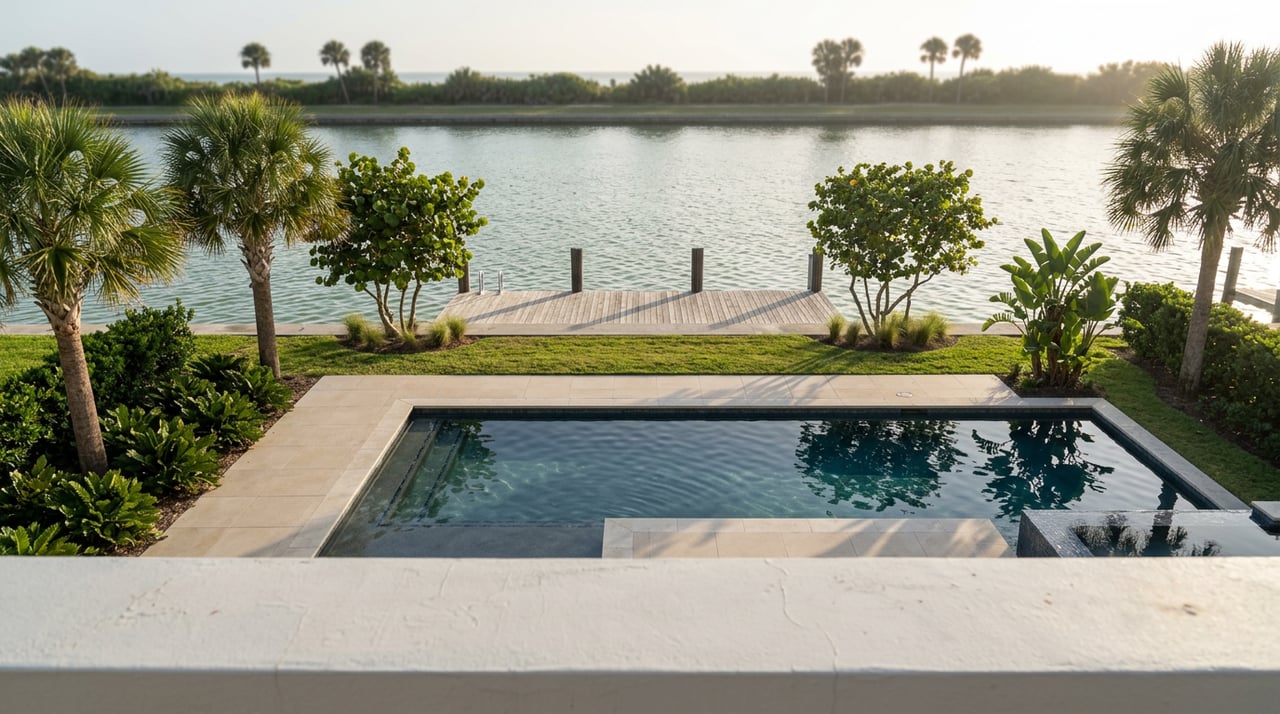
Water features integrate particularly well with Sarasota's outdoor living aesthetic. A small reflecting pool near a seating area, a fountain in a courtyard, or a negative-edge pool that appears to merge with a bay view all create moments of calm and visual depth that elevate the outdoor experience. Even in properties without water views, the sound of moving water adds an ambient quality that makes the outdoor room feel more like a retreat.
Landscaping Choices That Complement Indoor–Outdoor Design
-
Native Florida plants positioned along fence lines and property edges.
-
Palm species selected based on the desired formality level, from naturalistic sabal palms to structured royal palms near entry drives.
-
Planting beds at the edge of the outdoor room that soften the hardscape-to-lawn transition and add color year-round.
-
Uplighting installed in landscape beds and at the base of trees to extend the outdoor room's visual reach after dark.
-
Low-maintenance groundcovers like mondo grass or liriope.
FAQs
What Makes Sarasota Ideal for Indoor–Outdoor Living Design?
Sarasota's climate offers many sunny days per year, mild winters, and consistent Gulf breezes, all of which make outdoor living practical in every season. The architecture here also supports it; many homes are designed specifically with open floor plans, expansive glass openings, and screened lanais that prioritize the indoor–outdoor connection from the ground up.
How Do I Keep My Outdoor Living Area Comfortable During the Summer?
Shade structures, ceiling fans, and strategic planting are the most effective tools. A covered lanai or pergola reduces direct sun exposure dramatically, and a ceiling fan rated for outdoor use can lower the perceived temperature by several degrees. Positioning the seating areas to take advantage of prevailing Gulf breezes also helps, and lighter-colored surfaces reflect rather than absorb heat underfoot.
What Is the Best Flooring for a Sarasota Pool Deck?
Large-format porcelain tile and textured concrete pavers are both great choices. Porcelain is durable, easy to clean, and UV-stable. Concrete pavers offer more design flexibility and, when properly textured or brushed, provide solid traction when wet. Avoid darker colors for surfaces in full sun, as they absorb significantly more heat than lighter tones.
Make Your Sarasota Home Work as Hard as the Lifestyle It Supports
Sarasota does not make you choose between a beautiful home and a life spent outdoors. The most compelling properties here make that distinction disappear entirely, placing you in a space where cooking dinner, watching the sunset, and entertaining friends all happen in the same flowing environment, moving freely between interior comfort and the warmth of the Gulf Coast air.
If you are ready to find a beautiful
home in Sarasota with indoor–outdoor living at the top of your wish list, I would love to help you get there. Reach out to me,
Chris Carpenter, and let's find the space that fits the life you are looking to build here.