By Chris Carpenter
If you have been searching for a beautiful home in Sarasota, you have probably noticed how much the conversation has shifted toward efficiency, resilience, and lower operating costs. Buyers here are asking sharper questions than they did even a few years ago. They want to know how a home performs in the Florida sun, how much it costs to cool through a long, warm summer, and whether its systems are built to last. Energy-forward design has moved from a niche preference to a mainstream expectation, and Sarasota's building community has responded with real momentum.
This shift makes sense for a coastal market defined by abundant sunshine, warm temperatures, and an alluring outdoor lifestyle. Homes designed with sustainability in mind tend to stay more comfortable, cost less to run, and hold their appeal over time.
Below, you will find the design features and energy strategies that are gaining traction across Sarasota real estate, along with practical guidance on what to look for as you tour homes and compare properties.
Key Takeaways
- Solar energy systems are increasingly common in Sarasota, thanks to Florida's high number of sunny days and improving battery storage options.
- A high-performance building envelope, including storm-rated windows and upgraded insulation, keeps homes cooler and reduces cooling costs.
- Efficient HVAC systems, heat pump water heaters, and programmable thermostats meaningfully lower monthly energy use in the Florida climate.
- Water-wise landscaping with native, drought-tolerant plants reduces irrigation demand and supports year-round curb appeal.
- Recognized green certifications, including those from ENERGY STAR, give you a reliable way to verify a home's performance.
Solar Power and On-Site Energy Generation
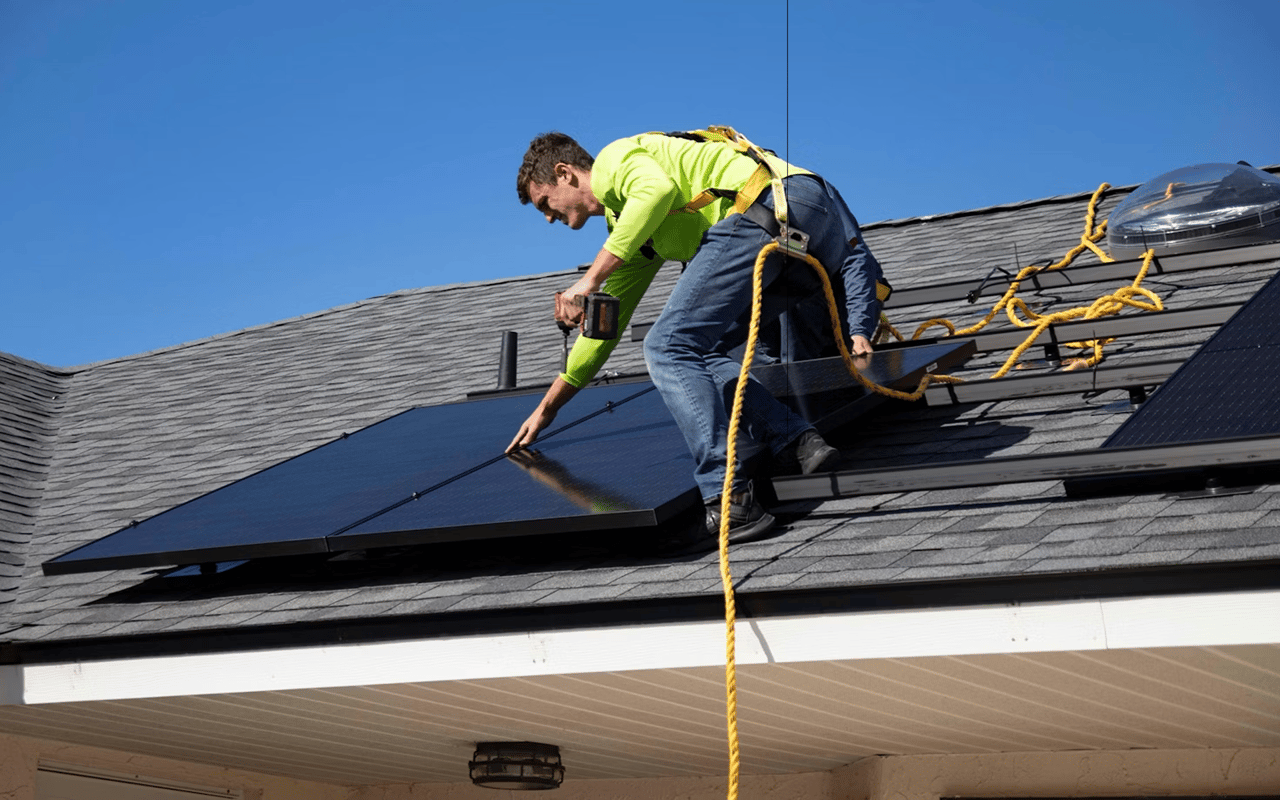
In sunny Sarasota, rooftop solar is one of the most practical energy investments a homeowner can make. More builders are integrating photovoltaic panels directly into new construction, and many existing homes are being retrofitted with systems sized to offset a large share of monthly electricity use. The appeal is straightforward: you generate power on-site during the same peak daylight hours when cooling demand is highest.
Battery storage has become the natural companion to solar in this market. Pairing panels with a home battery lets you store daytime production and draw on it later, which adds a layer of resilience that Florida homeowners value during storm season. When you tour a property with an existing solar array, it is worth asking about the system's age, whether the panels are owned or leased, and how the setup is monitored so that you understand exactly what you are inheriting.
What To Look For
- Confirm whether the solar system is owned outright or tied to a lease or power purchase agreement, since this affects both cost and financing.
- Ask for recent production data or utility bills to see how much the array actually offsets.
- Check the age and warranty status of both the panels and any inverter, as these components have different lifespans.
- Look for battery storage capacity if backup power during outages is a priority for you.
The High-Performance Building Envelope
The envelope of a home, meaning its walls, roof, windows, and insulation, does the heavy lifting when it comes to keeping Sarasota interiors comfortable. In a warm, humid climate, a tight, well-insulated envelope prevents cooled air from escaping and keeps heat and moisture from creeping in. This is where energy-forward homes separate themselves from older, leakier construction, and it is often the difference you feel the moment you walk through the door.
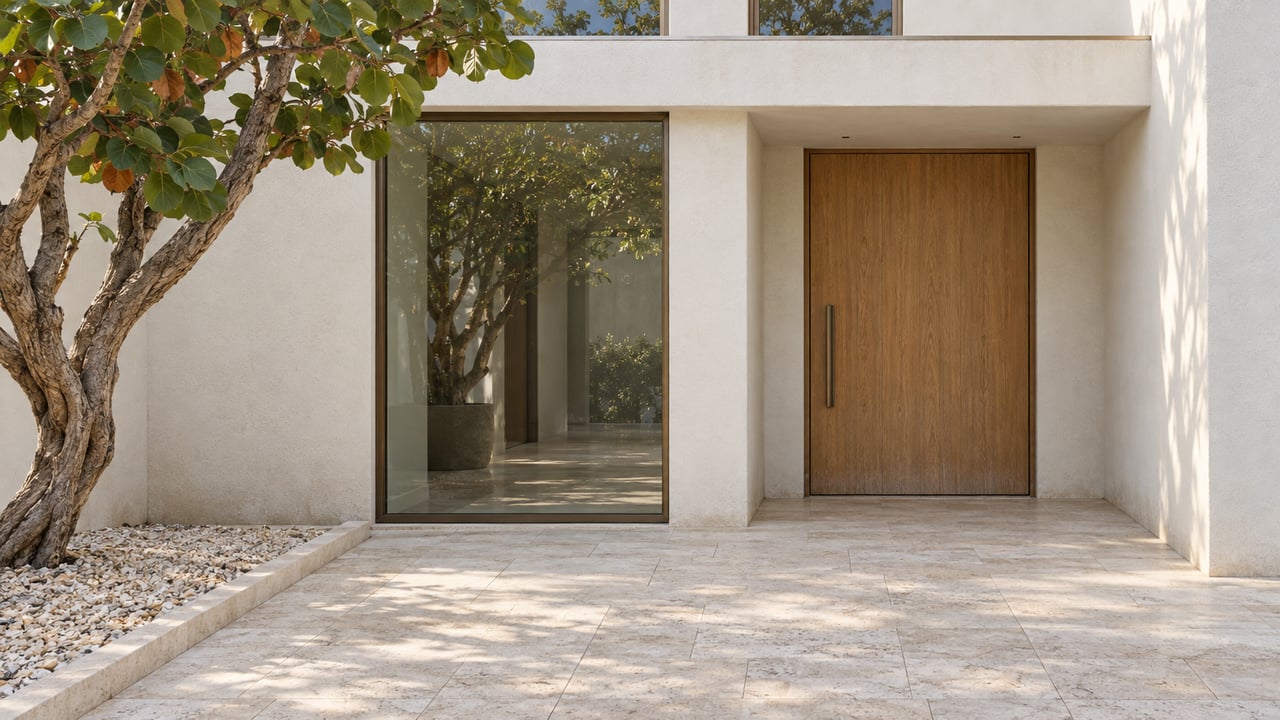
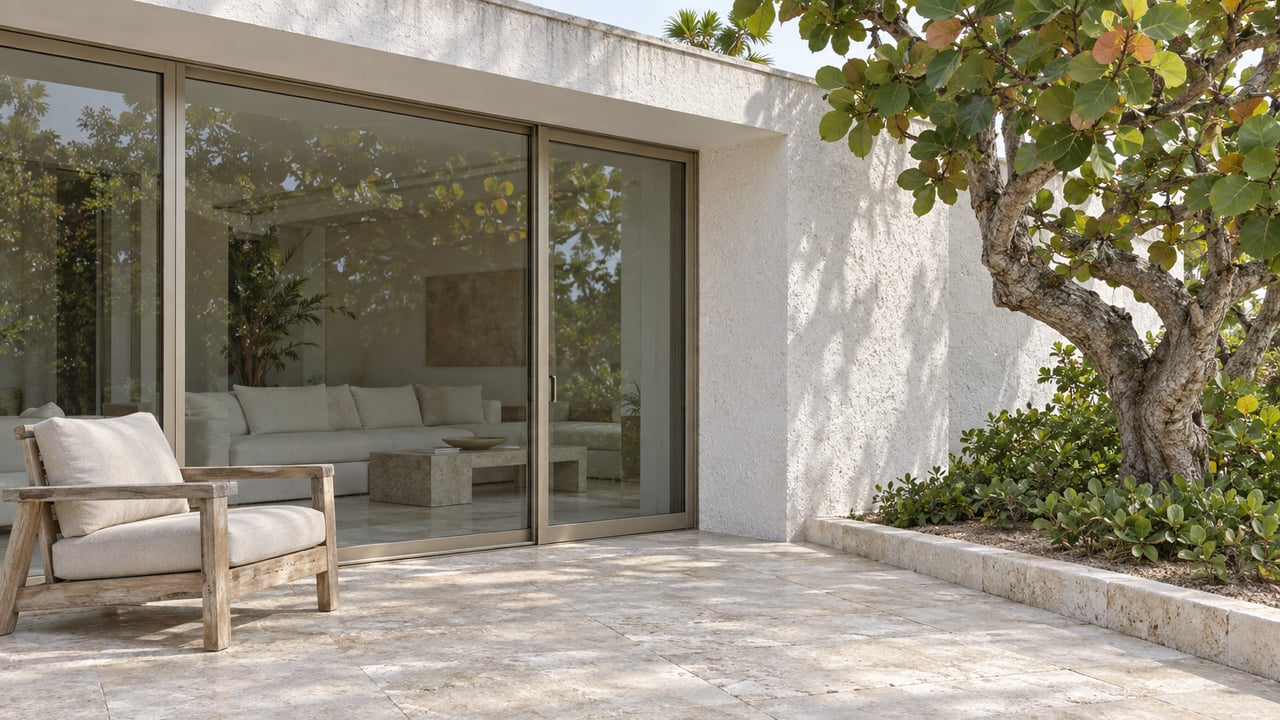
Impact-rated windows and doors have become a defining feature of modern Sarasota homes. Beyond their obvious storm performance, these units typically include low-emissivity coatings and insulated glass that block solar heat gain while letting in natural light. Upgraded insulation, including spray foam applied to the roof deck or wall cavities, further stabilizes indoor temperatures. Reflective or light-colored roofing materials round out the offering by bouncing sunlight away rather than absorbing it.
These elements work together, so the value comes from the whole system rather than any single upgrade. A home with premium windows but poor insulation will still struggle, which is why it helps to evaluate the envelope as a whole.
Top Considerations
- Verify that windows and doors are impact-rated and carry low-emissivity glass for heat control.
- Ask about the type and location of insulation, since spray foam at the roof deck performs differently than traditional batt insulation.
- Note the roofing material and color, because reflective surfaces reduce cooling load in the Sarasota sun.
- Look for sealed ductwork and weatherstripping, which prevent conditioned air from leaking out.
Efficient Cooling, Heating, and Water Systems
Cooling is the single largest energy expense for most Sarasota households, so the mechanical systems inside a home deserve close attention. High-efficiency HVAC units, measured by their SEER2 rating, use far less electricity to deliver the same comfort as older equipment. Variable-speed systems adjust output to match demand, which keeps humidity in check and avoids the constant on-off cycling that drives up bills. When a listing highlights a recently installed high-SEER system, that is a genuine value signal worth noting.
Water heating is the next meaningful line item. Heat pump water heaters, sometimes called hybrid units, pull warmth from the surrounding air to heat water and can cut water heating energy use substantially compared with standard electric tanks. Tankless models offer another efficient path by heating water only on demand. Pair either option with a programmable or connected thermostat that manages cooling around your daily schedule, and the monthly savings add up quickly.
Because these systems represent a real portion of a home's operating cost, understanding their age and efficiency helps you forecast what living there will actually feel like on your utility statement.
How It Works
- Check the SEER2 rating on the HVAC system, aiming for higher-efficiency variable-speed equipment where possible.
- Ask about the water heater type, since heat pump and tankless models outperform standard electric tanks.
- Confirm the age of major mechanical systems so that you can anticipate future maintenance or replacement.
- Look for a programmable thermostat that lets you optimize cooling around when you are actually home.
Water-Wise Landscaping and Outdoor Design
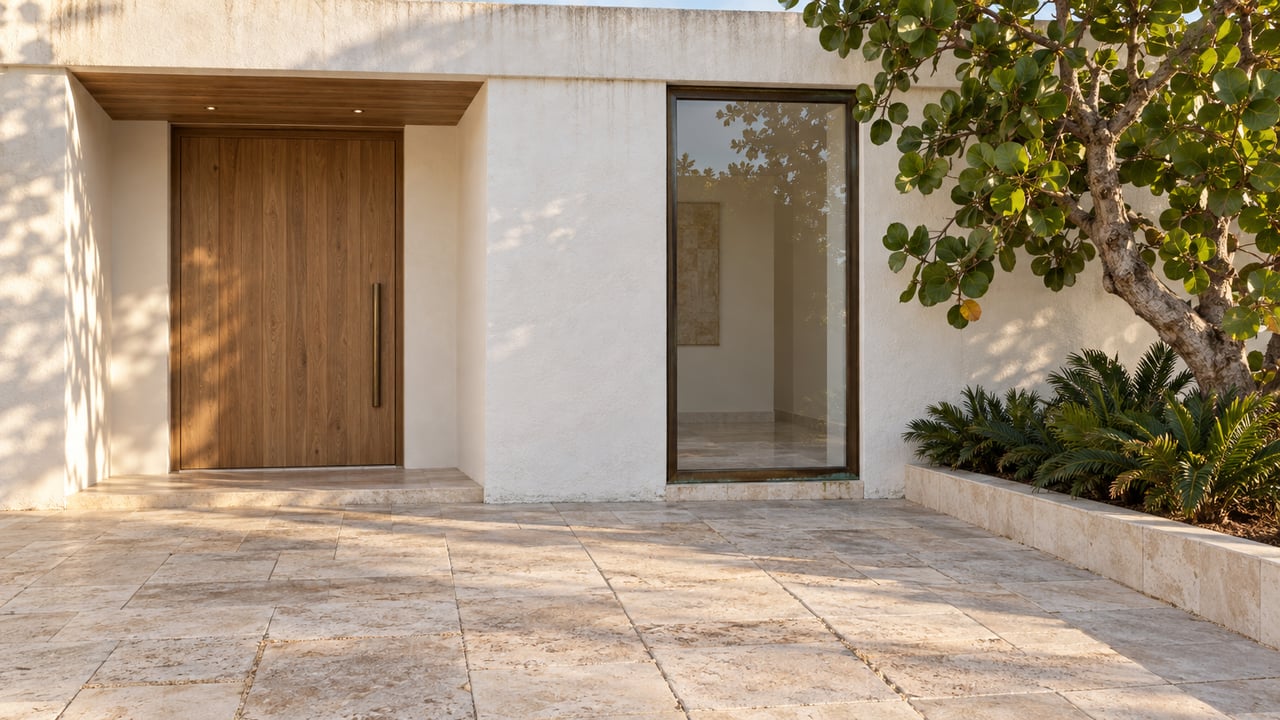
Sustainability in Sarasota extends well beyond the walls of the home and into the yard. With irrigation making up a large share of residential water use, energy-forward properties increasingly feature native and drought-tolerant landscaping designed to thrive in Florida's conditions with minimal supplemental watering. Plants, including saw palmetto, muhly grass, and firebush, look intentional and lush while asking very little of the water system.
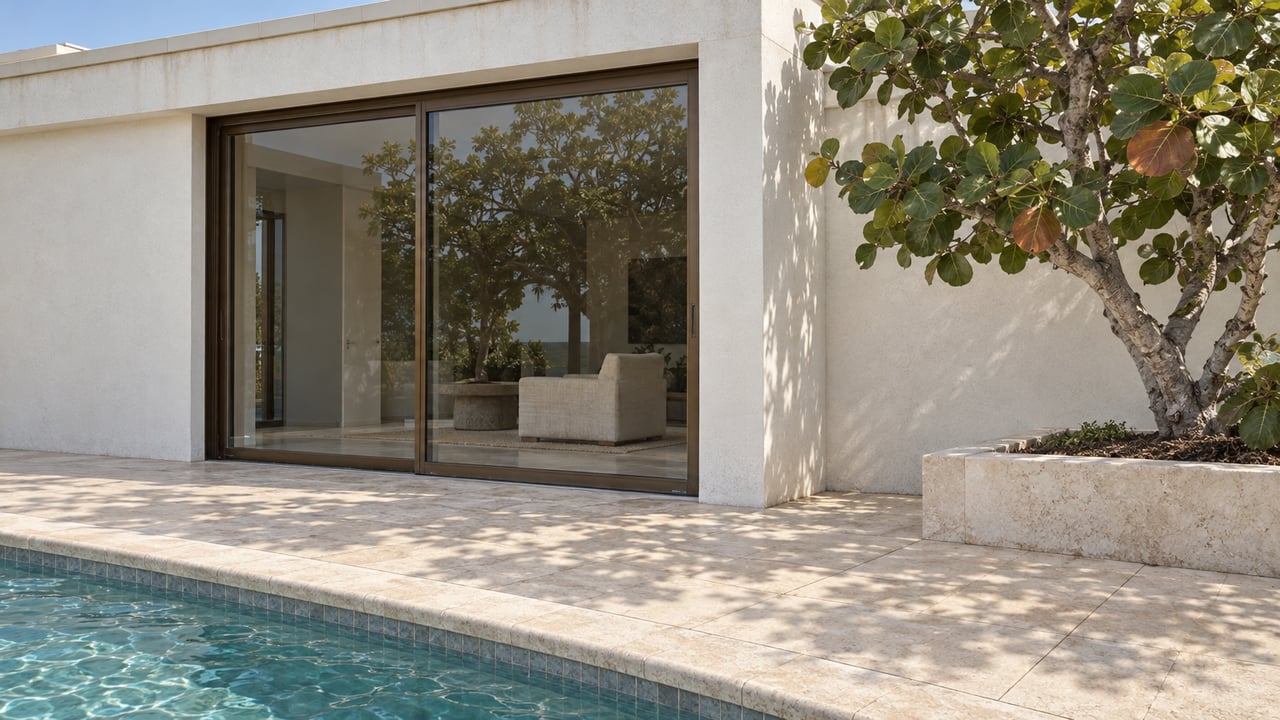
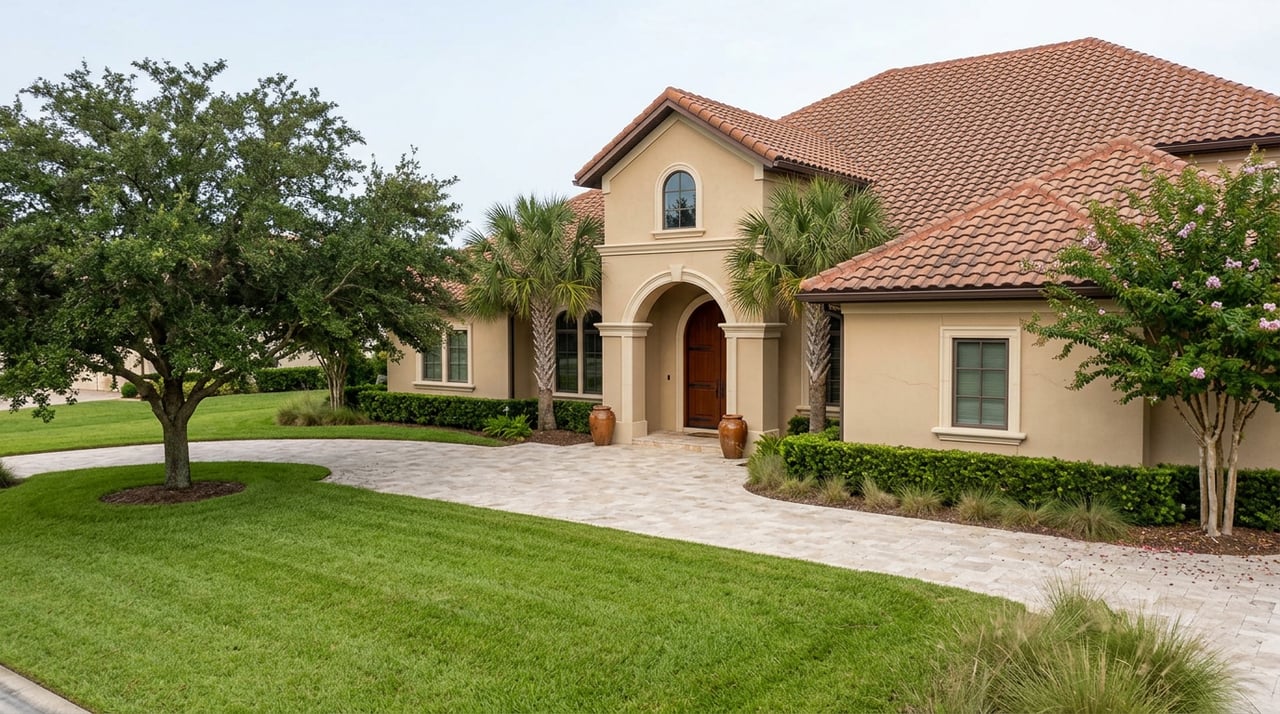
Thoughtful outdoor design also considers shade, drainage, and permeable surfaces. Strategically placed trees can shade the western side of a home and reduce afternoon cooling demand, while permeable pavers on the driveway allow rainwater to filter back into the ground rather than running off. Rain sensors and efficient drip irrigation systems make whatever watering is necessary far more precise. These choices lower ongoing costs and support a landscape that stays attractive through both the wet and dry seasons.
When you evaluate a property's outdoor space, look past the initial visual appeal and consider how the landscape will perform and what it will require of you over the years ahead.
What To Prioritize
- Favor native, drought-tolerant plantings that need little supplemental irrigation once established.
- Look for shade trees positioned to reduce heat gain on the sunniest sides of the home.
- Check for efficient irrigation, including drip systems and rain sensors that prevent overwatering.
- Consider permeable surfaces on the driveway and walkways that support drainage and reduce runoff.
FAQs
What Makes a Sarasota Home Energy-Efficient?
An energy-efficient Sarasota home combines a tight building envelope, high-efficiency mechanical systems, and even on-site solar generation. The most important factors in this climate are impact-rated low-emissivity windows, strong insulation, a high-SEER2 cooling system, and an efficient water heater. Together, these features reduce the cooling and humidity load that drives most energy use in Southwest Florida.
Are Solar Panels Worth It in Sarasota?
For many homeowners, yes. Sarasota's high number of sunny days means a properly sized solar array can offset a significant portion of your electricity bill, and pairing panels with battery storage adds resilience during outages. The exact payback depends on your energy usage, the system size, and whether the panels are owned or leased, so reviewing recent production data is the best way to gauge the value.
How Do Impact Windows Improve Energy Efficiency?
Impact windows are built with insulated, often low-emissivity glass that blocks a large share of solar heat while still letting in daylight. In the Sarasota climate, this reduces the amount of heat your cooling system has to work against, which lowers your energy use. They also seal tightly, which helps keep humidity and conditioned air where they belong.
Building Toward a Smarter Sarasota Home
Buyers today are rewarded for looking beyond finishes and asking how a home actually performs, from its windows and insulation to its cooling systems and solar potential. The homes that check these boxes tend to cost less to live in and stand up beautifully to the coastal environment.
If you are ready to explore energy-forward homes in Sarasota or want to understand how these features could shape your next move, I would love to help. Reach out to me,
Chris Carpenter, and I will walk you through the options and the opportunities so that you can find a home that fits both your lifestyle and your long-term goals.